✓
Measured drying, not guesswork
We track moisture conditions and adjust equipment placement and drying strategy based on readings, materials, and where water traveled.
Serving Tacoma, Washington & surrounding areas
When water gets in, time matters. We handle water removal, structural drying, and restoration planning for Tacoma homes and commercial spaces, with clear documentation and a straightforward scope before repairs begin.
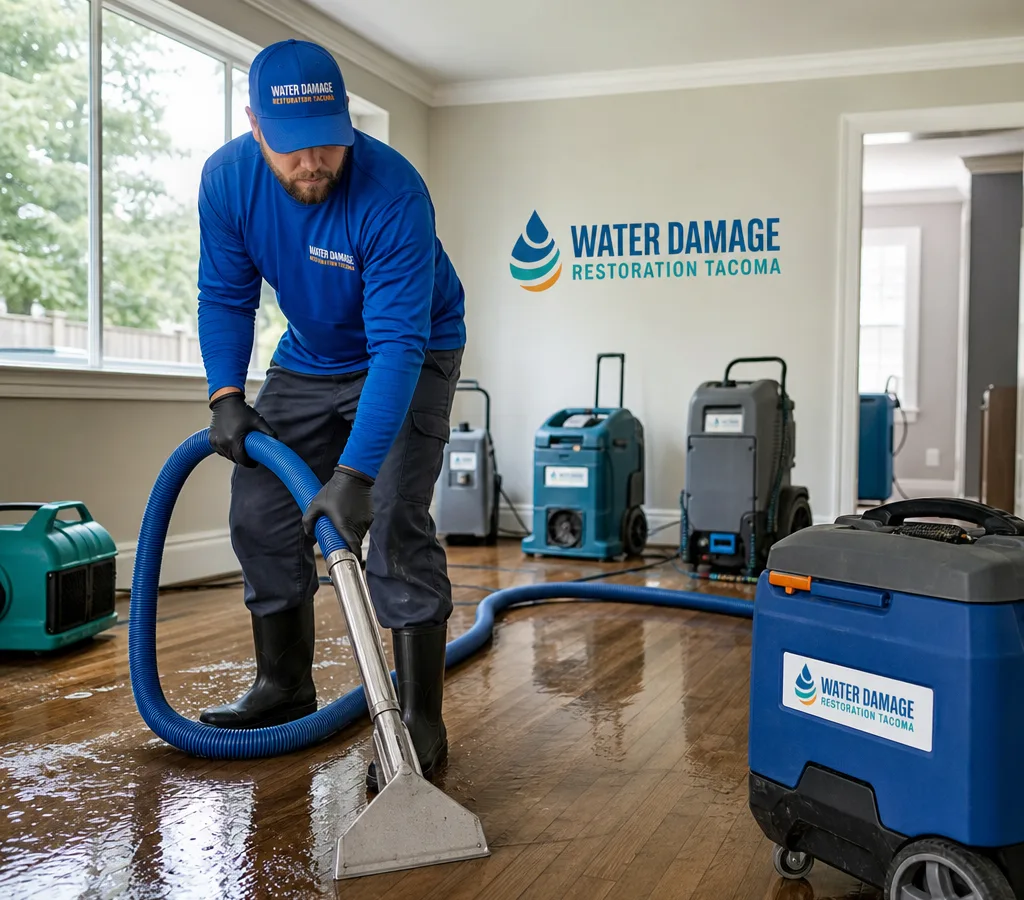
If you are searching for water damage restoration Tacoma WA, you likely need two things right away: stop the spread and dry the structure correctly. Water moves quickly through flooring, drywall, baseboards, insulation, and subfloors. The first hours are when secondary damage starts, including swelling, delamination, odor, and microbial growth.
Water Damage Restoration Tacoma focuses on the practical steps that reduce loss: safe water removal, controlled drying, and a plan you can act on. We work on residential and commercial projects after supply line leaks, water heater failures, appliance overflows, storm intrusion, and sprinkler or plumbing mishaps.
Tacoma’s older housing stock and mixed construction types mean every job is different. A craftsman home with plaster and lath dries differently than a newer build with standard drywall. Condos and multi-tenant buildings add shared walls and liability concerns. Our process stays consistent: verify what is wet, remove what cannot be dried in place, and document drying conditions until materials return to an acceptable moisture level.
Effective water restoration Tacoma WA work is more than putting fans in a room. Drying is a measured, step-by-step trade process.
Typical scope can include:
We document readings and conditions during the dry-out so you can track progress and have a clear record if an insurance claim is involved. If your project also needs rebuilding, we can outline what is needed next so repairs stay coordinated instead of rushed.
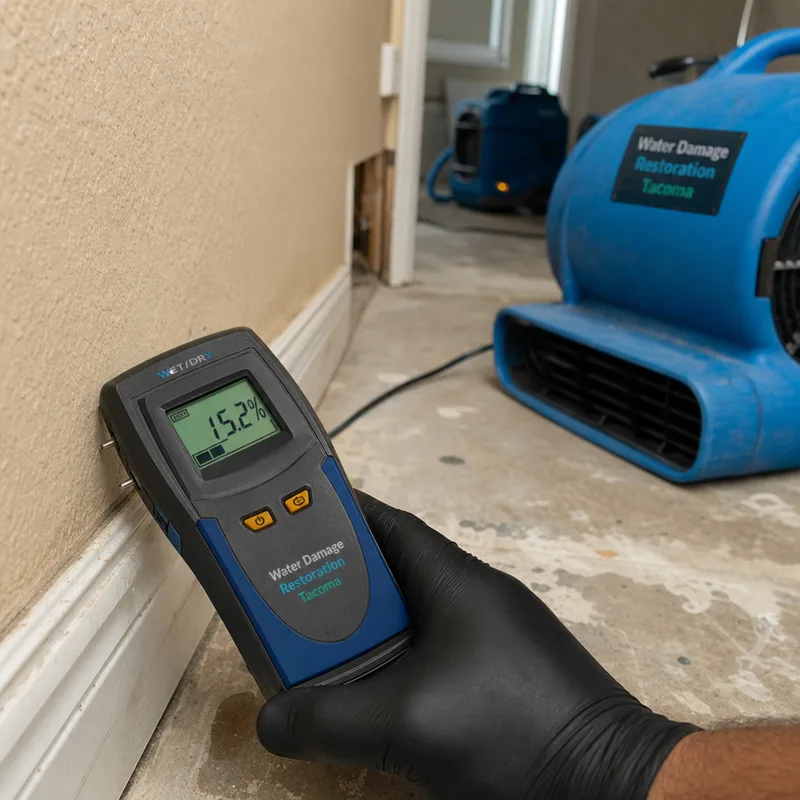
We track moisture conditions and adjust equipment placement and drying strategy based on readings, materials, and where water traveled.
You get an understandable plan of action and supporting notes that help keep decisions, repairs, and insurance communication aligned.
We set up to keep walkways usable, manage noise and cords as best as possible, and explain what will run overnight and why.
When wet materials will not dry properly or will trap moisture, we remove only what is necessary so the structure can dry and repairs can proceed.
From Hilltop apartments to North End homes and warehouse spaces near the Port, we plan for access, parking, and building type so work starts smoothly.
A measured sequence helps control damage, expose hidden moisture, and move your property toward a documented dry standard.
We start by confirming the water source is stopped and checking for hazards like power near standing water, slipped flooring, and ceiling sag. If needed, we coordinate shutoffs and recommend a licensed plumber or electrician for repairs outside restoration scope.
We inspect visible damage and map moisture beyond what you can see. Water often travels under LVP and laminate, through wall plates, and into adjacent rooms.
Extraction comes first, then we remove materials that cannot be dried in place. This step prevents hidden damp pockets that can cause odor and later rebuild problems.
We place air movers and dehumidifiers based on room geometry, material type, and moisture levels. We monitor and document progress, then adjust equipment and containment as conditions change.
When drying goals are met, we provide a wrap-up of what was done and what comes next. If repairs are needed, you get a practical outline so you can move forward without delays.
Water damage restoration in Tacoma typically ranges from about $1,500 to $8,000+, depending on how far water traveled and whether demolition and rebuild are needed. A small, clean-water incident limited to one room is often on the lower end, while multi-room losses with wet walls, flooring removal, and extended drying land higher.
Final price changes with category of water, affected materials such as hardwood, plaster, and insulation, access and equipment needs, and how long materials stayed wet. Exact costs are confirmed after an on-site inspection and moisture mapping.
Two local realities tend to shape water damage restoration Tacoma projects: building variety and moisture management.
Tacoma has everything from older homes with layered flooring and plaster walls to newer condos with shared assemblies. Layered materials can trap water. Plaster and older assemblies can take longer to dry, and wet insulation inside exterior walls often needs removal to avoid slow, hidden drying.
The Puget Sound region’s damp seasons also raise the bar for dehumidification. When outside air is already humid, relying on open windows or basic fans can stretch out drying time and increase the chance of odor. Controlled dehumidification, sealed drying zones, and measured monitoring keep the process moving even when the weather does not cooperate.
Water Damage Tacoma Restoration outlines what to expect when you first reach out and how urgent situations are prioritized.
“A supply line let go under our kitchen sink and water got under the flooring. They explained what had to come out, showed us the moisture readings, and the drying setup was clean and organized. The documentation made the insurance conversations much easier.”
“We manage a small commercial space and had a restroom overflow after hours. They arrived fast, extracted water, and kept the affected area contained so the rest of the suite stayed usable while everything dried.”
Start the same day whenever possible because materials begin to swell and moisture can migrate into wall cavities and subfloors within hours. In Tacoma, damp outdoor conditions during much of the year can also slow natural evaporation, so professional extraction and dehumidification help limit how far damage spreads.
Mitigation is the immediate work that stops further damage—water removal, drying, and removing unsalvageable wet materials—while restoration is the repair and rebuild that puts the space back together. Many losses need both phases, and a clear handoff between drying documentation and repair scope helps avoid rework.
Sometimes drywall can be dried if it has not wicked high and the cavity conditions allow airflow, but wet insulation usually needs removal because it holds water and dries slowly. The decision depends on moisture readings, how long materials were wet, and whether water was clean or contaminated.
Many residential dry-outs take about 3 to 5 days, but timelines vary with material type, how much water entered the assembly, and initial response time. Hardwood, plaster, wet insulation, and multi-room losses often require longer drying and closer monitoring.
Yes. We provide moisture mapping notes and drying documentation that supports your claim and helps explain why certain materials were removed or dried in place. Coverage decisions are made by your carrier, but good documentation reduces back-and-forth and keeps the project moving.
Stop the water source if it is safe, shut off power to affected areas if water is near outlets or appliances, and move small valuables and electronics away from wet zones. Avoid running household fans if the water may be contaminated, and do not pull up flooring unless you are sure it will not create trip hazards or spread water further.
Tell us what happened and what areas are affected. We will walk you through next steps, confirm what needs to happen first, and provide a written scope based on an on-site inspection and moisture mapping.