
✓
Sampling that answers a specific question
We choose air and surface samples based on building layout, suspected pathways, and where moisture is most likely, so the results are easier to use for decisions.
Serving Tacoma, Washington & surrounding areas
Get a clear answer on what is in the air and on surfaces, with documented sampling, fast lab analysis, and a written summary you can use to plan next steps.
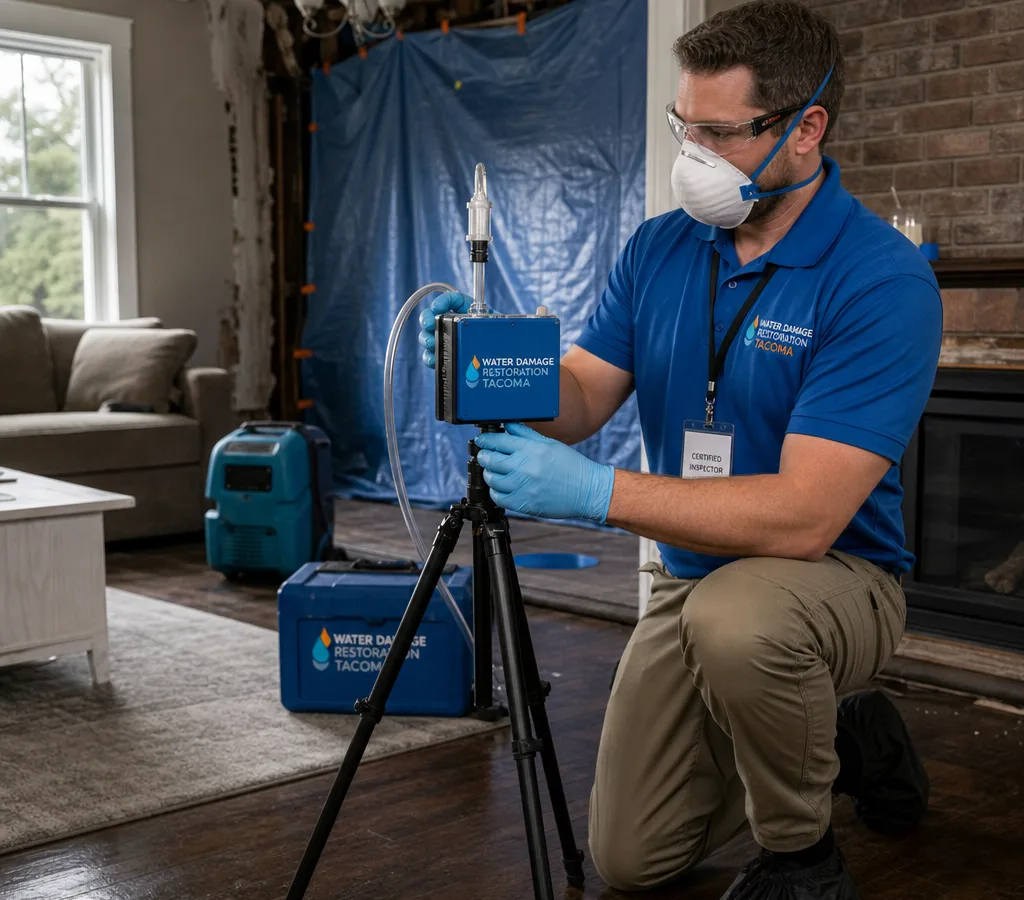
If you are searching for mold testing Tacoma WA, you usually want more than a quick look. You want evidence you can act on: what areas are affected, how widespread it is, and whether conditions suggest an active moisture problem.
Mold testing makes sense when any of these are true:
Testing is most useful when it is paired with a real inspection. Sampling without a plan can miss the source, or create results that are hard to interpret. Our approach starts with where moisture could be getting in, then we choose air and surface samples that answer the actual question: is there a mold problem in this building, and where is it most likely coming from?
A good mold evaluation is equal parts building science and careful documentation. We focus on collecting samples that make sense for the space and for the concerns you share with us.
Typical inspection steps include:
You receive a written summary that lists sample locations, lab identifiers, and practical interpretation. If remediation is needed, the report supports a clear scope so repairs target the cause, not just the symptom.
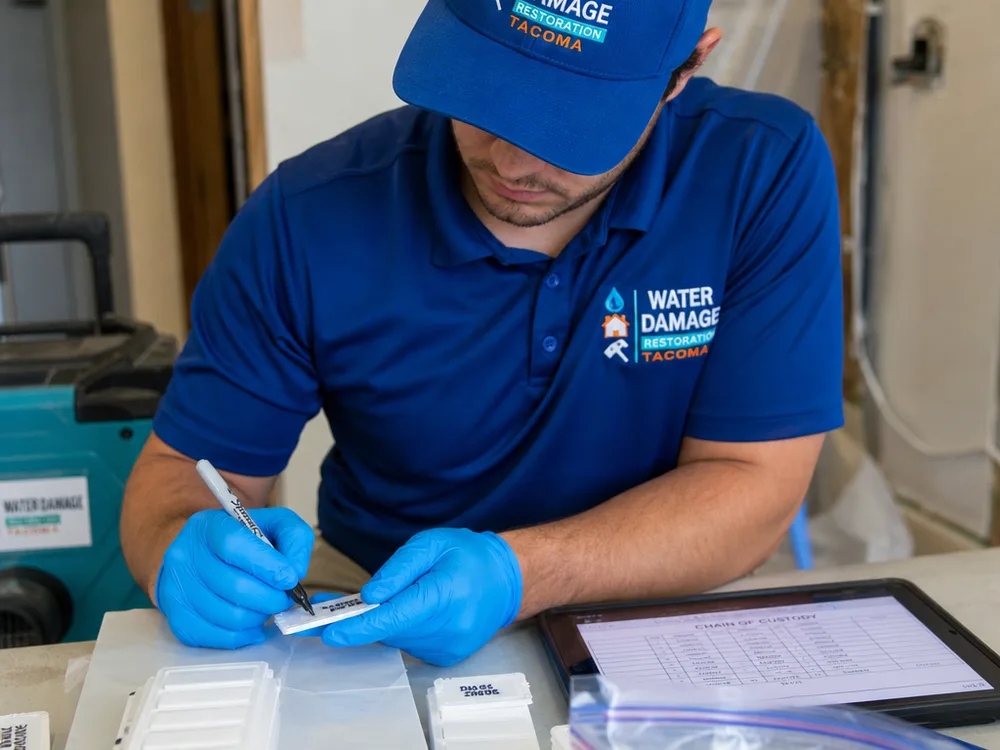
We choose air and surface samples based on building layout, suspected pathways, and where moisture is most likely, so the results are easier to use for decisions.
You get sample locations, lab results, and plain-language notes on what the findings mean for the rooms tested and what to do next.
When mold is confirmed, we explain what typically needs containment, what materials are commonly removed versus cleaned, and what should be corrected to prevent recurrence.
We work cleanly and avoid unnecessary disturbance of suspect materials. If an area looks fragile or heavily contaminated, we discuss options before touching anything.
Tacoma has many older homes where ventilation, crawlspaces, and past water intrusion can complicate mold complaints. We keep the inspection grounded in how the structure actually behaves.
Mold problems are rarely random. They usually trace back to moisture, airflow, and materials.
In Tacoma, testing requests often come from a few repeat patterns:
The Puget Sound region's long damp season also matters. Even without a dramatic flood, chronic humidity and small leaks can keep materials above the moisture level where mold can grow. That is why we treat testing as part of a bigger moisture story, not as a standalone lab exercise.
If you are also dealing with a recent leak or flood event, our team at Water Damage Restoration Tacoma can coordinate testing with stabilization so you are not guessing while materials are still drying. You can also get a broader overview of our work through Water Damage Tacoma Restoration.
A targeted sequence connects the conditions in your property to documented sample locations and practical next steps.
We start by learning what you are seeing or smelling, which rooms are involved, and whether there was a known leak, overflow, or humidity issue. That shapes the sampling plan.
We inspect the areas of concern and adjacent spaces, then take targeted moisture readings where building materials often stay damp, such as around plumbing, windows, and exterior walls.
We collect samples in the right locations, document them, and handle them to support accurate lab analysis. When appropriate, we use an outdoor control sample to help with interpretation.
A certified lab identifies and quantifies spores for air samples or identifies growth on surfaces. We provide your results with location notes so you can act on them.
If results suggest a problem, we discuss containment, cleaning versus removal of affected materials, and the building fix that matters most: stopping the moisture source.
Mold testing in Tacoma typically ranges from about $300 to $900 for an inspection with a small set of air and/or surface samples, with larger homes or more sampling needs running higher. A single-room concern with limited sampling is usually on the lower end, while multi-room investigations or situations needing multiple comparison samples cost more.
Price is driven by the number and type of samples, how many areas need investigation, access such as attics, crawlspaces, or tight mechanical rooms, and whether there is a clear target area versus a whole-home complaint. Exact pricing is confirmed after we understand the concerns and the sampling plan for the visit.
“We had a musty smell that came and went, and I didn't want someone guessing. The inspection was thorough, samples were taken in the right spots, and the write-up made it clear what was actually needed before we opened any walls.”
“The results came back quickly and the explanation was straightforward. It helped us talk to our contractor with confidence because we knew which materials were involved and which rooms were not.”
Most lab results are returned in a few business days, and timing mainly depends on lab turnaround and the number of samples submitted. We document sample locations clearly so your results map back to specific rooms and surfaces, which matters when you are deciding what to open up or remove.
Both are used, but for different reasons: air sampling helps evaluate what is in the breathing zone, while surface sampling helps confirm suspected growth on a specific material. In many Tacoma homes with a persistent odor but no visible growth, a targeted set of air samples plus one or two surface samples when staining is present provides the clearest picture.
Testing can point to affected areas and support a theory about the moisture source, but lab results do not locate a leak by themselves. That is why the inspection matters: we look for moisture patterns, building transitions, and likely pathways first, then use sampling to confirm what is present.
If you need documentation for a scope of work, it is usually better to test before major disturbance, because removal changes conditions and can spread debris. If materials have already been removed, post-removal testing can still help confirm whether adjacent areas or remaining contents appear impacted.
In most cases, yes, because sampling is non-destructive and localized. If we see heavy visible growth or a very fragile material that could release debris if disturbed, we will talk through simple precautions during the appointment so you can decide what is best for your household.
Yes. If results indicate a mold problem, we outline practical next steps, including what areas typically need containment, what materials are commonly removed versus cleaned, and what moisture issue must be corrected so the problem does not return. If you choose to move forward with cleanup, it is easiest when the scope is based on documented findings.
Tell us what you are seeing or smelling and which areas are involved. We will recommend a sensible inspection and sampling plan, then provide lab-backed results you can use to decide what to do next.