
✓
After a leak, overflow, or wet building materials
If drywall, flooring, insulation, or a crawl space stayed damp, an inspection helps confirm whether conditions supported growth and where to focus corrections.
Serving Tacoma, Washington & surrounding areas
Find hidden growth early with clear testing, straightforward reporting, and practical next steps for your home or building.
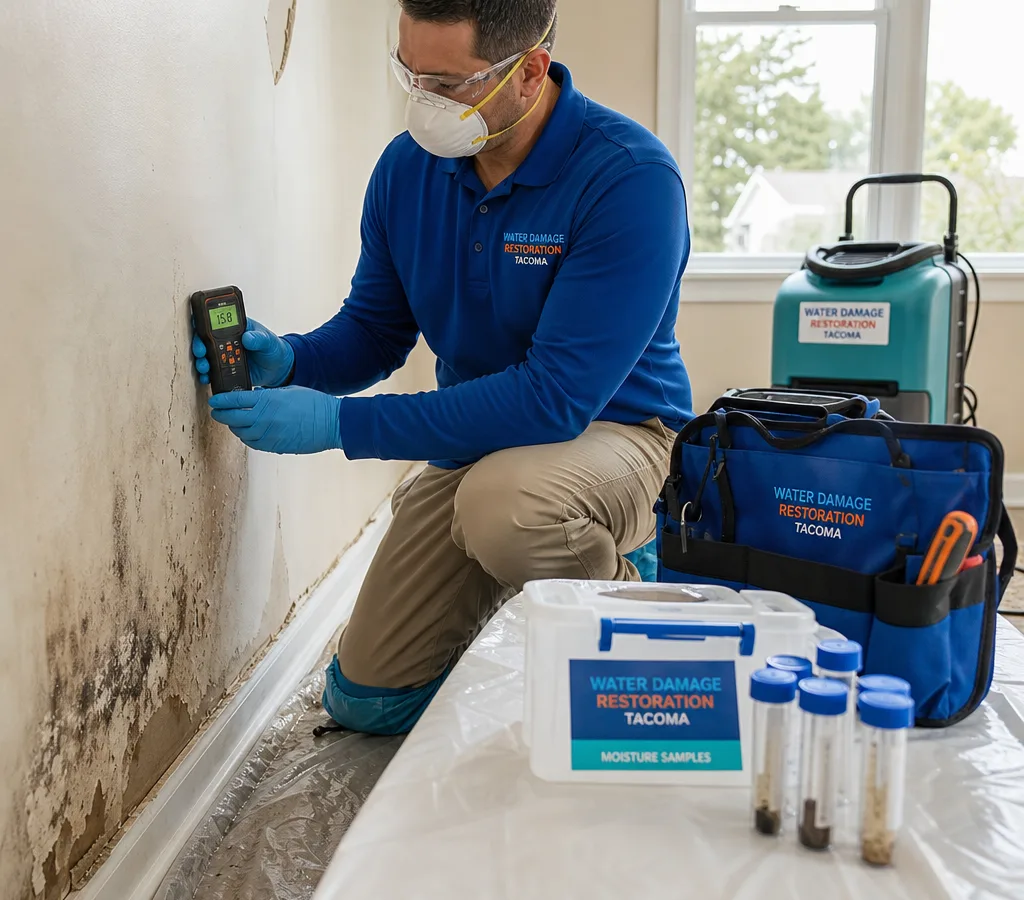
If you are searching for mold inspection Tacoma services, you likely want one thing: an answer you can act on. A proper inspection connects the dots between moisture, building materials, and the conditions that let mold grow, then documents what was found in a way a homeowner, property manager, or buyer can use.
In Tacoma, damp weather and older housing stock can make hidden moisture issues harder to spot. Basements, crawl spaces, and exterior wall cavities can stay wet long enough for microbial growth to develop without obvious surface staining.
A thorough mold inspection focuses on:
If the mold concern started after a leak or flooding, it also helps to understand the broader moisture problem. Our team at Water Damage Restoration Tacoma works with property owners who need inspection results that translate into a realistic plan, whether that means targeted containment and removal, or simply fixing the moisture pathway and monitoring.
We keep the process practical and evidence-based. The goal is to identify where mold is growing—or likely to grow—why it is happening, and what documentation you need to move forward.
On-site assessment and history
We start by talking through what you have noticed: odors, past leaks, recent remodeling, HVAC changes, or tenant complaints. This context matters because mold follows moisture patterns.
Moisture mapping
We use non-invasive moisture meters and thermal imaging where it helps to locate damp building materials without unnecessary demolition. High readings often point to the real problem area, even when surfaces look normal.
Targeted inspection of common problem zones
In Tacoma homes, we frequently see concerns in crawl spaces and basements, around bathroom exhaust routes, and near exterior-facing walls that take the brunt of wind-driven rain.
Sampling when it will change decisions
If lab results will help confirm whether an area needs professional remediation, support a real estate transaction, or guide a landlord-tenant plan, we can collect air and/or surface samples using proper chain-of-custody and send them to an accredited lab.
Clear reporting and next-step guidance
You receive straightforward documentation: what was inspected, measurements and photos, sampling locations if taken, and practical next steps such as moisture correction, containment recommendations, and whether professional remediation is appropriate.
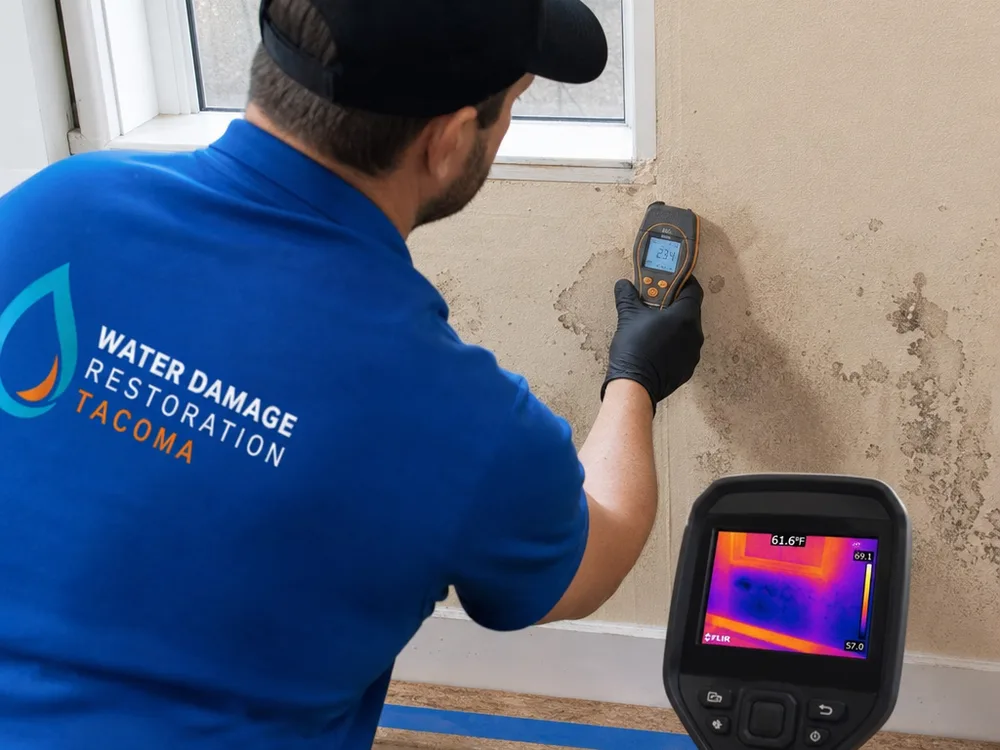
If drywall, flooring, insulation, or a crawl space stayed damp, an inspection helps confirm whether conditions supported growth and where to focus corrections.
Odors often come from hidden areas like wall cavities, under cabinets, or damp subflooring. Moisture mapping is often the fastest way to narrow it down.
Buyers and sellers use inspection documentation to make informed decisions. If sampling is needed, we document locations so results are defensible.
If occupants report irritation that seems tied to time spent indoors, inspection can identify moisture and growth conditions so you can address the environment.
Ventilation issues, condensation, and slow leaks can create repeated problems. An inspection helps you fix the cause instead of repeatedly cleaning symptoms.
A good inspection accounts for how buildings in the area are actually built and used.
Crawl spaces and older construction
Parts of Tacoma have many older homes, and older crawl spaces can have limited ventilation and moisture control. If the ground stays damp, wood framing and insulation can be affected even when living areas seem dry.
Hillside properties and drainage
Neighborhoods with sloped lots, such as areas around North End and West Slope, can see water directed toward foundations when drainage or downspouts are not managed well. That can raise crawl space humidity and lead to fungal growth on framing.
Multi-family and rental turnover
In denser areas like Downtown Tacoma and Hilltop, we often see moisture problems tied to repeated tenant turnover, deferred maintenance, or shared plumbing walls. Inspection documentation helps property owners prioritize repairs and plan access.
Near-water humidity and ventilation
Places closer to Commencement Bay, including Ruston, can have higher outdoor humidity. That does not create mold by itself, but it makes proper bathroom and kitchen exhaust, dryer venting, and HVAC balance more important.
If you are trying to understand whether the mold concern is tied to a prior loss event, the broader context of drying and documentation matters. Water Damage Tacoma Restoration explains what we look for when water intrusion affects a structure.
Most mold inspection visits in Tacoma typically range from about $250 to $650, depending on the size of the property and whether sampling is needed. A basic inspection of a small condo or single problem area is often near the low end, while larger homes, crawl space evaluations, and situations needing multiple air or surface samples trend higher.
Final price depends on square footage, access to attics or crawl spaces, how many areas require moisture mapping, the number of samples sent to the lab, and how quickly results are needed. Exact cost is confirmed after we understand the property and the scope during scheduling and the on-site visit.
We move from your initial concern to documented findings in a practical sequence, adding sampling only when it will help guide a decision.
Tell us what you are seeing or smelling, any recent leaks, and whether this is a home, condo, or multi-unit property. If you have photos or prior reports, they help.
We inspect the areas of concern and related pathways, then document conditions with photos and moisture readings to identify where problems originate.
If lab confirmation will affect decisions, we collect targeted air and/or surface samples with documented locations and handling.
You receive a clear summary of what we found and what to do next, whether that is correcting moisture, professional remediation, or continued monitoring.
“We had a musty smell that kept coming back after cleaning. The inspector traced it to damp materials behind a bathroom vanity and explained what needed to be opened up and why. The report was clear enough to hand to our contractor.”
“As a landlord, I needed documentation more than opinions. The inspection included moisture readings, photos, and a straightforward plan for repairs and containment. That made it much easier to coordinate access with tenants.”
We do inspections with optional sampling when testing will change what you do next. Many situations are best solved by locating moisture and documenting visible growth, but real estate transactions, disputed conditions, or unclear sources can justify lab-confirmed air or surface sampling.
Most inspections take about 60 to 120 minutes on site, depending on property size and access to areas like attics and crawl spaces. If sampling is collected, the visit may take longer to document locations and handle samples properly.
Yes, if safe access is available, we inspect crawl spaces and attics because that is where hidden moisture and growth often develop. These spaces can reveal roof leaks, venting problems, and elevated humidity that do not show up in living areas.
If we find suspected mold, we document the location, identify the moisture driver, and explain next steps such as fixing the leak, setting containment boundaries, and whether professional remediation is appropriate. If lab confirmation is needed for your situation, we can collect samples during the visit.
In most cases, yes. We may ask for access to specific rooms, closets, and mechanical areas, and we may need doors closed briefly for certain measurement or sampling conditions, but you typically do not need to leave for an inspection.
Yes, the inspection includes written findings with photos and notes on what areas were evaluated. If sampling is performed, documentation includes where samples were collected so results can be interpreted in context for a sale, maintenance plan, or contractor scope.
If you suspect hidden growth or you need inspection documentation for a decision, schedule a visit with Water Damage Restoration Tacoma. We will explain what we see, what it means, and what a realistic next step looks like for your Tacoma property.